

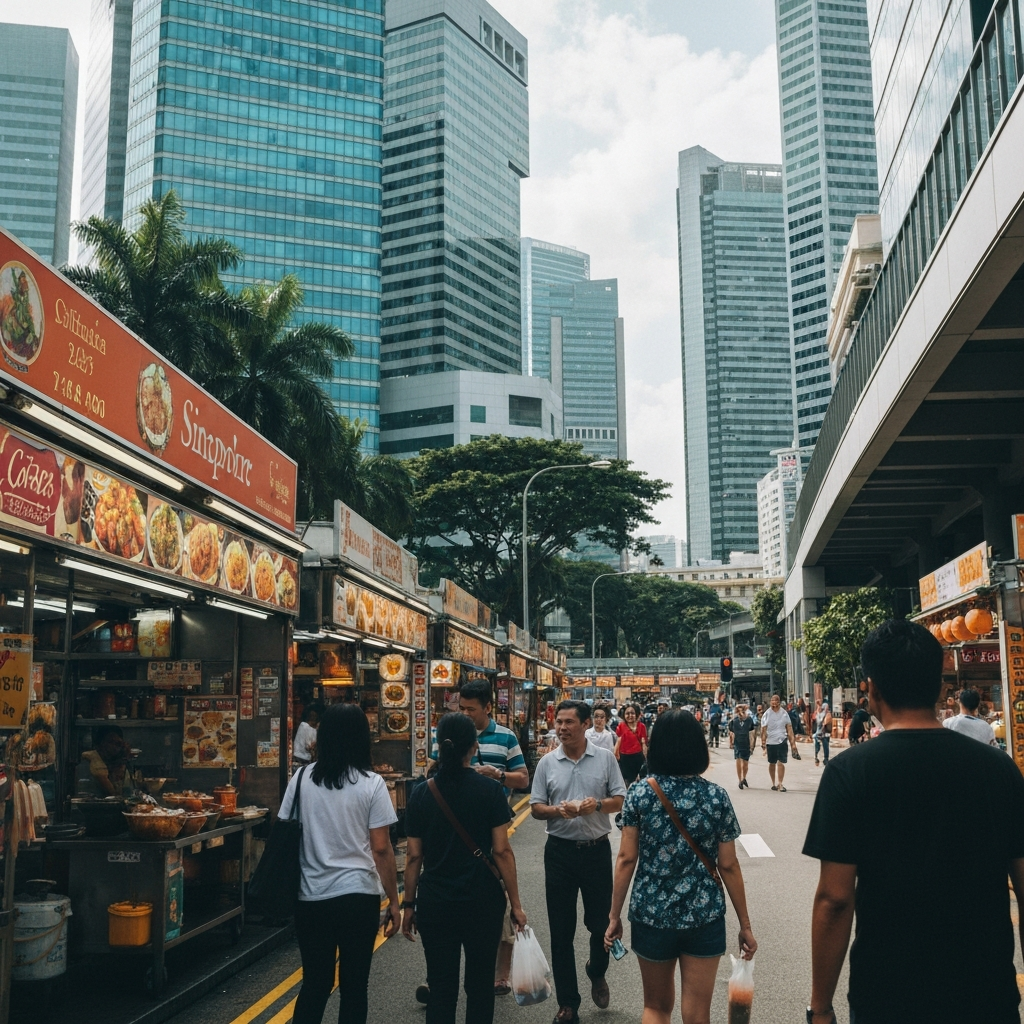
Singapore’s geographical position near the equator endows it with a tropical climate characterized by high temperatures, abundant rainfall, and high humidity throughout the year. Understanding the nation’s weather patterns and environmental challenges is essential for residents and visitors alike.
Climate Overview
Singapore experiences consistently warm temperatures, with average monthly temperatures ranging from about 25°C in January to 27°C in June. The daily temperature variation is relatively small, averaging around 7°C. The highest temperature ever recorded was 36°C. Rainfall is a constant feature, with annual precipitation averaging about 2,400 mm, ensuring the island’s lush greenery.
Monsoon Seasons
The island’s climate is influenced by two primary monsoon seasons:
Northeast Monsoon (December to March)
This season is divided into two phases:
- Wet Phase (December to January): Characterized by heavy and frequent rainfall, often leading to cooler temperatures and overcast skies.
- Dry Phase (February to March): Marked by drier conditions and relatively clear skies.
Southwest Monsoon (June to September)
During this period, Singapore experiences showers and thunderstorms, typically in the morning and early afternoon.
Inter-Monsoon Periods (April-May and October-November)
These transitional periods are characterized by light and variable winds, leading to warm temperatures and localized afternoon thunderstorms.
Environmental Challenges
Singapore faces several environmental challenges, including:
Rising Temperatures
From 1984 to 2022, the annual mean temperature in Singapore rose by 0.24°C per decade. 2024 was one of the warmest years on record, tied with 2019 and 2016.
Sea Level Rise
Projections indicate that the mean sea level in Singapore could rise by 0.23m to 1.15m by the end of the century, posing a significant threat to this low-lying island nation.
Rainfall Variability
Annual rainfall totals have been gradually increasing at a rate of 83 mm per decade from 1980 to 2022. In 2024, Singapore’s total rainfall was 8.1% higher than the long-term annual average.
Urban Heat Island Effect
Urbanization has led to the replacement of natural land cover with buildings and infrastructure that retain heat, contributing to higher temperatures in urban areas.
Adaptation and Mitigation Efforts
Singapore has implemented various measures to address these environmental challenges, including:
- Developing a comprehensive drainage system to manage intense rainfall and prevent flash floods.
- Implementing coastal protection measures to mitigate the impact of sea-level rise.
- Enhancing urban greenery to reduce the urban heat island effect.
- Investing in sustainable water management practices to ensure a reliable water supply.
Understanding Singapore’s unique climate and the associated environmental challenges is crucial for developing effective strategies to ensure the nation’s resilience and sustainability in the face of climate change.