

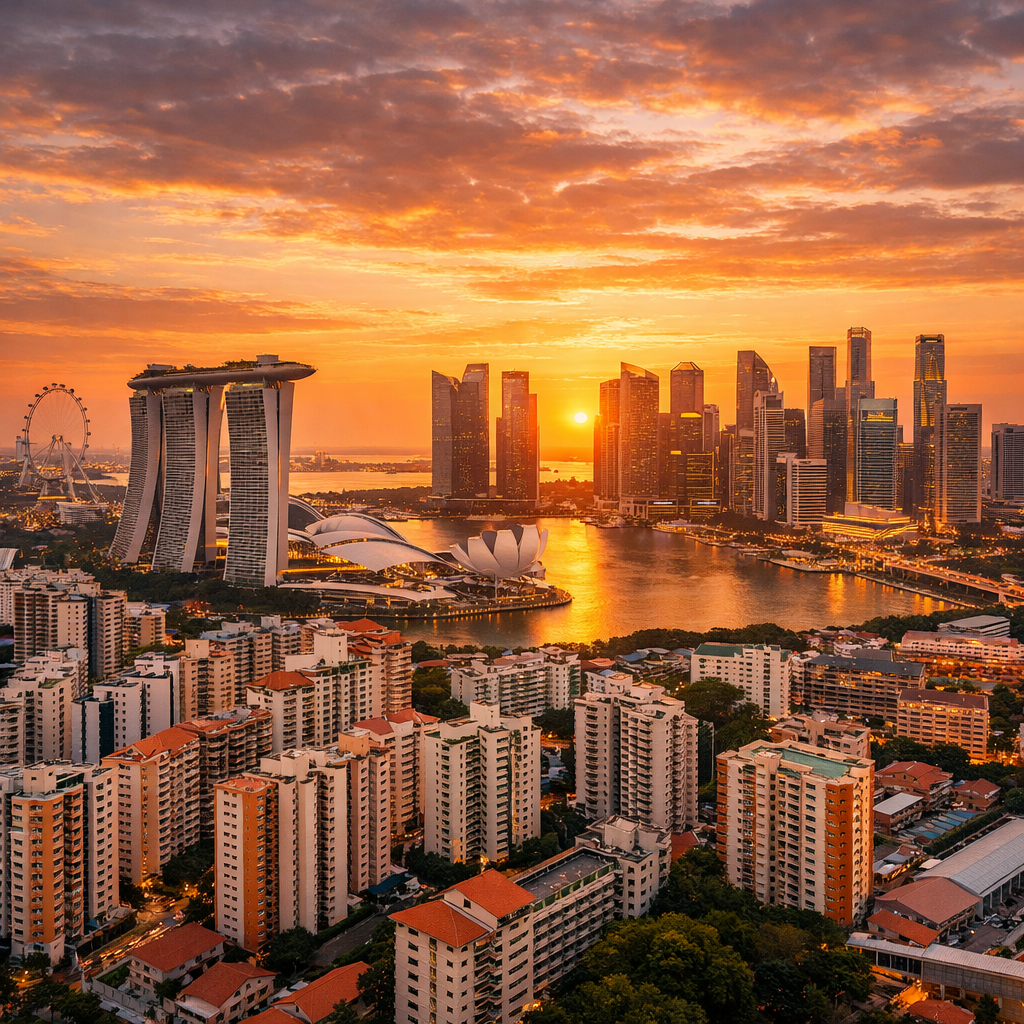
Singapore’s rental market has undergone significant changes in recent years, transitioning from rapid growth to a more balanced state. Understanding these shifts is crucial for both tenants and landlords navigating the current landscape.
Market Overview
After peaking in 2023, private residential rents experienced a 1.9% decline in 2024, followed by stabilization in 2025. This moderation is attributed to increased housing supply and a normalization of demand post-pandemic. Analysts anticipate that rising housing supply will cap rental growth in 2026.
Factors Influencing Demand
Several elements continue to shape rental demand:
- Expatriate Influx: The return of expatriates, particularly in sectors like technology and finance, sustains demand for rental properties, especially in areas near business hubs.
- Local Tenants: Singaporeans awaiting the completion of Build-To-Order (BTO) flats or seeking temporary housing contribute to the rental market’s resilience.
Supply Dynamics
The rental market’s supply side is evolving:
- New Completions: A significant pipeline of new condominiums completed in 2024–2025 has added rental supply, contributing to the market’s stabilization.
- HDB Flats Reaching MOP: An increase in HDB flats reaching their five-year Minimum Occupation Period (MOP) is expected to add to the rental supply, potentially slowing rental growth, particularly in less convenient locations.
Rental Yields
Rental yields vary across property types:
- HDB Flats: Offering higher rental yields (4–5.5%) compared to condominiums (2.5–3.5%), HDB flats remain attractive for investors focused on income generation.
- Condominiums: While offering lower yields, condos in fringe Central Business District areas offer a balance between yield and potential appreciation.
Strategies for Tenants and Landlords
In this evolving market, both tenants and landlords can adopt specific strategies:
- Tenants: With increased supply, tenants may have more negotiating power. Exploring options in emerging neighborhoods or considering HDB rentals could offer better value.
- Landlords: To remain competitive, landlords should ensure properties are well-maintained and priced appropriately. Understanding tenant preferences, such as proximity to amenities and transportation, can enhance appeal.
As Singapore’s rental market continues to stabilize, staying informed about these trends will empower both tenants and landlords to make strategic decisions aligned with their goals.