

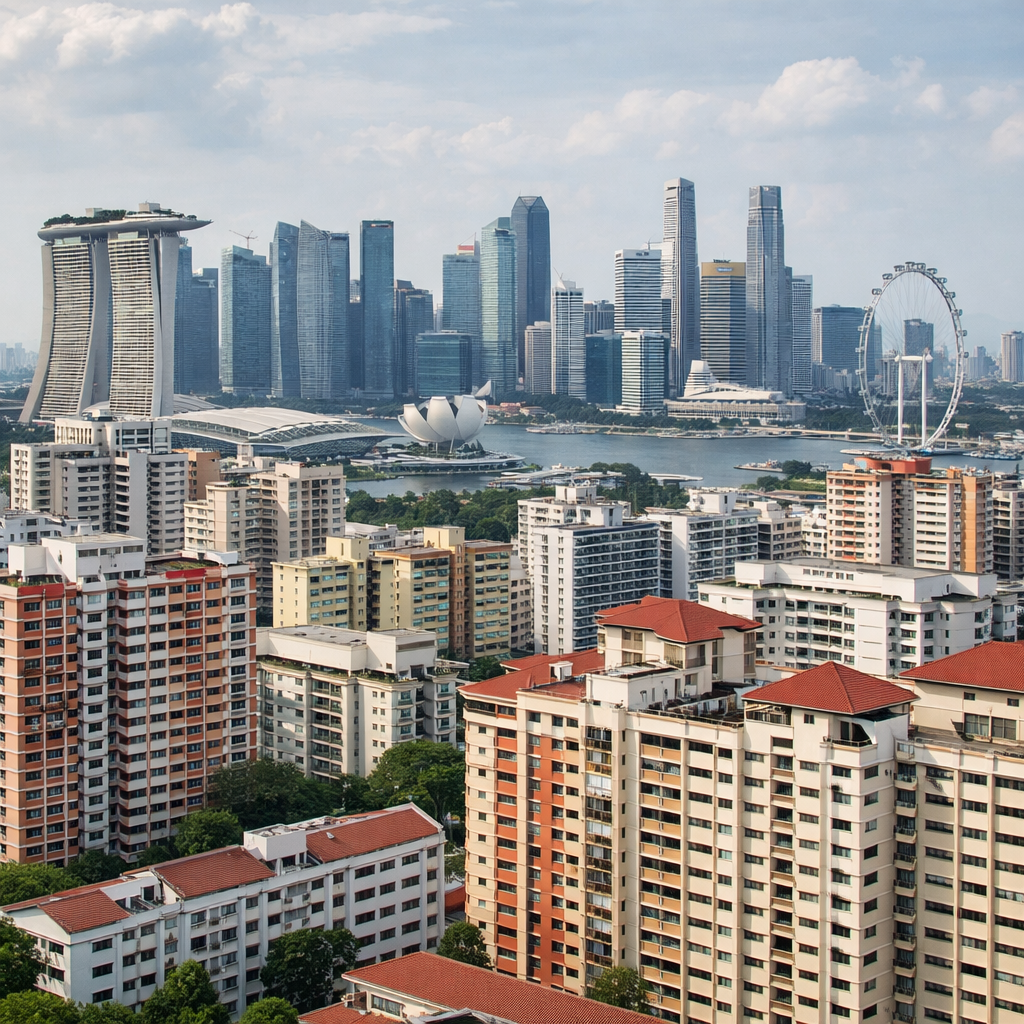
Singapore’s rental market has undergone significant changes in recent years, presenting both challenges and opportunities for tenants and landlords alike. Understanding these shifts is crucial for making informed decisions in the current landscape.
Current Rental Market Trends
After a period of rapid escalation, the rental market has begun to cool. Average condominium rents have dipped by 5-7% in early 2025, driven by softened corporate leasing demand and broader market recalibration. Demand is expected to recover and stabilize, especially in prime districts, with projected rental growth of 2.5-3% as expatriates, corporate tenants, and long-term residents continue to prioritize high-quality locations. This makes 2026 a potentially stronger year for rental-focused investors than 2025.
Factors Influencing the Market
Several factors contribute to the current state of the rental market:
- Supply Dynamics: The government plans to launch around 55,000 BTO flats between 2025 and 2027, with roughly 17,600 units per year in 2026 and 2027. Additionally, about 13,500 flats are expected to reach their Minimum Occupation Period (MOP) in 2026, significantly increasing resale supply.
- Demand Drivers: Singapore’s population reached 6.11 million in mid-2025, which continues to underpin rental demand. However, economic uncertainties such as slower expatriate hiring may temper rental demand, especially in the private sector.
- Regulatory Environment: Landlords must ensure tenants meet eligibility criteria, including legal residency status and, for HDB flats, adherence to the Minimum Occupation Period before renting out the entire unit.
Implications for Tenants
For tenants, the evolving market offers both opportunities and considerations:
- Increased Options: The influx of new units provides a broader selection, potentially leading to more competitive rental rates.
- Location Preferences: Properties near MRT stations and business hubs continue to command higher rents, reflecting strong demand for well-connected locations.
- Negotiation Leverage: With a stabilizing market, tenants may find more room to negotiate favorable lease terms.
Considerations for Landlords
Landlords should be mindful of the following:
- Competitive Pricing: To attract tenants, setting competitive rental rates aligned with current market conditions is essential.
- Property Maintenance: Well-maintained properties are more likely to secure tenants quickly and command better rental yields.
- Understanding Tenant Needs: Catering to the preferences of target tenant demographics, such as proximity to amenities and transportation, can enhance property appeal.
Looking Ahead
As Singapore’s rental market continues to evolve, staying informed about market trends and regulatory changes is vital. Both tenants and landlords can benefit from leveraging available resources and seeking professional advice to navigate the dynamic landscape effectively.
By understanding the current market dynamics and anticipating future developments, stakeholders can make strategic decisions that align with their housing needs and investment goals.