

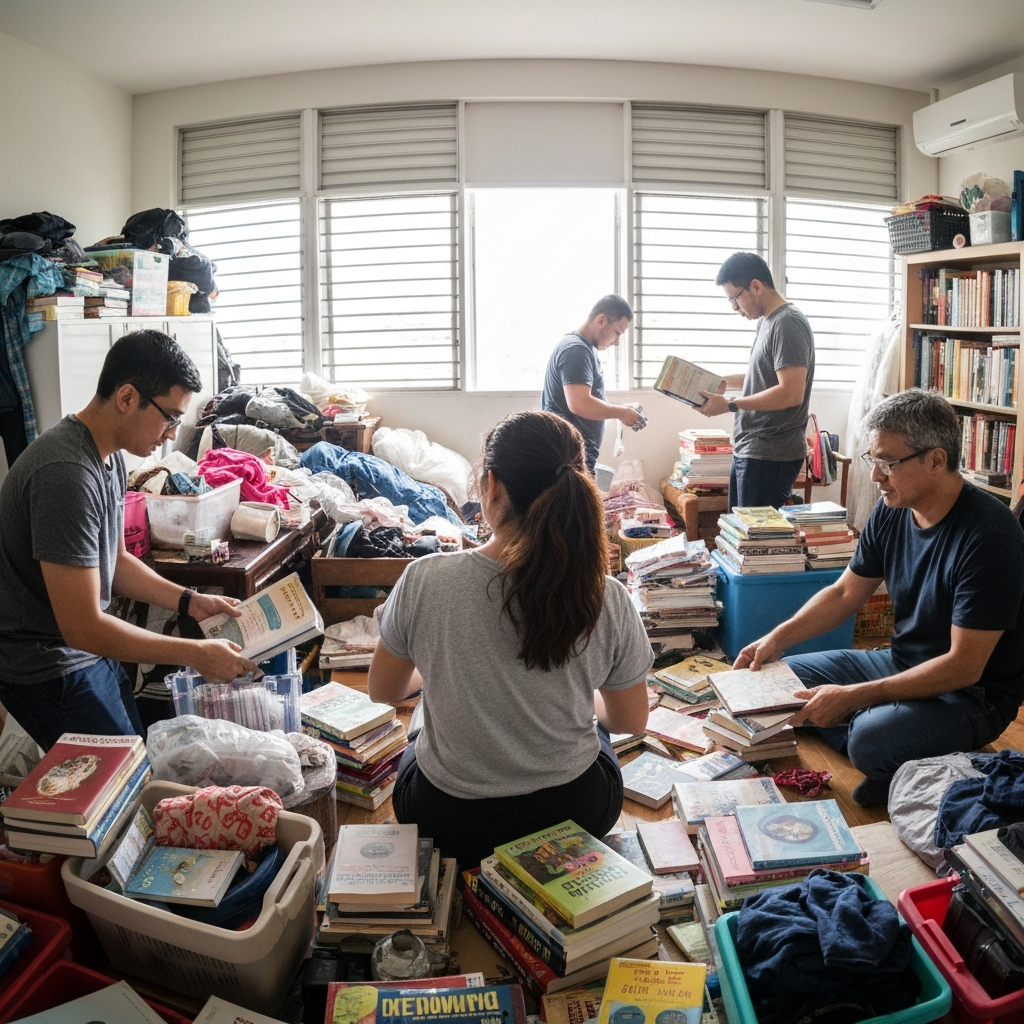
Hoarding, characterized by the excessive accumulation of items, has become an increasingly pressing issue in Singapore. Recent data indicates that active hoarding cases have nearly doubled in under four years, with approximately 630 severe cases currently on the watchlist. This surge has raised concerns about safety, public health, and the well-being of individuals and communities affected by hoarding behaviors.
Understanding the Hoarding Phenomenon
Hoarding can lead to significant challenges, including fire hazards, pest infestations, and structural damages to living spaces. The tragic fire in a Hougang flat on January 9, 2025, which resulted in three fatalities, underscored the deadly consequences of severe hoarding. Neighbors reported that the family involved were known hoarders, highlighting the urgent need for intervention and support.
Community and Government Initiatives
In response to the escalating problem, the Ministry of National Development (MND) and the Ministry of Social and Family Development (MSF) launched the New Environment Action Team (NEAT) in January 2025. NEAT aims to coordinate efforts among social service agencies, community groups, trade and industry associations, and government bodies to address hoarding cases effectively. This collaborative approach seeks to provide comprehensive support to individuals exhibiting hoarding behaviors, focusing on both decluttering and addressing underlying psychological factors.
The Role of Volunteers and Social Services
Organizations like Habitat for Humanity Singapore have been instrumental in assisting hoarders through decluttering initiatives. Volunteers work closely with affected individuals to clear out excessive items, ensuring that living spaces are safe and habitable. These efforts are complemented by social service agencies that offer counseling and mental health support, recognizing that hoarding is often linked to deeper psychological issues.
Challenges and the Path Forward
Despite these concerted efforts, challenges remain. The stigma associated with hoarding can deter individuals from seeking help, and the complex nature of the behavior requires long-term, multifaceted interventions. Additionally, Singapore’s aging population suggests that hoarding cases may continue to rise, necessitating sustained community engagement and resource allocation.
Addressing hoarding in Singapore is not solely the responsibility of the authorities; it requires a collective effort from the community. By fostering awareness, empathy, and proactive support, Singapore can work towards mitigating the impacts of hoarding and promoting healthier living environments for all residents.